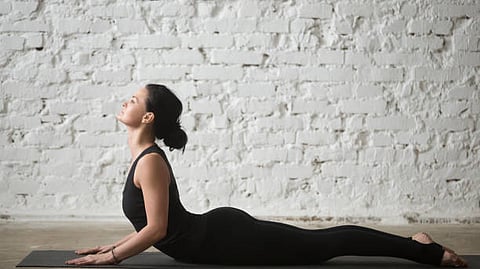

HYDERABAD: From June 24 to July 24, “self-care month” begins, and one of the best ways to take care of ourselves, whether physical or mental, is by doing yoga, meditation, and some exercises.
Millions of people in India suffer from glaucoma, which is the third most common etiology after refractive error and cataract, which causes irreversible blindness.
“Glaucoma is a group of eye diseases that damage the optic nerve, the main nerve that connects your eye to your brain. This damage is often caused by a buildup of fluid pressure inside the eye (intraocular pressure, or IOP). If left untreated, glaucoma can lead to permanent vision loss,” explains Dr C Jagadesh Reddy, Managing Director, Chief Cornea, Cataract, and Refractive Surgeon, Pristine Eye Hospitals.
This made us wonder what glaucoma patients can do to take care of themselves in addition to taking medicines on a daily basis.
For glaucoma, “the silent killer,” experts suggest those exercises, yoga asanas, and activities that do not increase the IOP.
WHAT TO DO
Dr Sahiti Salguti, MBBS, MS (Ophthalmology), FPRS, suggests
Brisk walking, which increases overall blood circulation.
Yoga asanas like Sukhasana (easy pose), Balasana (child’s pose), Bhujangasana (cobra pose), and Shavasana (corpse pose) are suggested.
“However, they have to be done under the guidance of a certified yoga instructor and in consultation with your doctor. In any condition, if you feel heaviness in the eyes, these exercises should be discontinued,” reminds Dr Salguti.
Similarly, Dr C Jagadesh Reddy suggests,
Swimming is cooling and gentle on the joints.
Stationary cycling provides cardio without straining the head and neck.
Modified yoga poses: Focus on poses that don’t involve inversions (head below the heart). Gentle seated stretches and breathing exercises can be beneficial.
Supported supine poses (Shavasana variations): Lie comfortably on your back with props to support your head, knees, and ankles.
Seated stretches (Sukhasana, Paschimottanasana with support): Seated poses with gentle forward bends (using props for support).
Neck and shoulder Stretches (gentle head rolls, cat-cow pose): These can help release tension in the upper body, which may indirectly benefit eye health.

WHAT NOT TO DO
According to Dr Sahiti Salguti,
Avoid bending down below the shoulder level in sudden jerky movements, and the position should not be held for long durations.
Avoid asanas like Adho Mukho Svanasana (downward-facing dog), Uttanasana (standing forward bend), Halasana (plow), and Viparita Karani (legs up the wall).
Likewise, Dr C Jagadesh Reddy advises you to avoid any poses that increase pressure in your head or eyes, including:
Inversions: headstand (Sirsasana), shoulderstand (Sarvangasana).
Forward bends: These can put strain on the eyes.
Strenuous poses: Avoid anything that causes you to hold your breath or strain.
There are some potential benefits to these, including stress reduction, improved blood flow, mindfulness, and better coping, mentions Dr C Jagadesh Reddy. Similarly, Dr Sahiti Salguti states that “By avoiding the exercises that increase the IOP, suggested ones can indirectly help in avoiding nerve damage in glaucoma patients, but there are no direct exercises to improve vision or decrease the glaucoma status with exercises.”
“Studies haven’t shown a clear link between yoga and improved vision in glaucoma patients. Exercises and yoga asanas won’t improve the vision loss caused by glaucoma. However, managing glaucoma can slow down the progression of the disease and help preserve remaining vision,” explains Dr C Jagadesh Reddy. However, not to lose hope, and “By maintaining a good, healthy lifestyle, avoiding smoking, reducing stress, and avoiding sudden bending, along with regular annual eye examinations and using medication timely, this will help in the overall well-being of glaucoma patients,” advises Dr Sahiti Salguti.