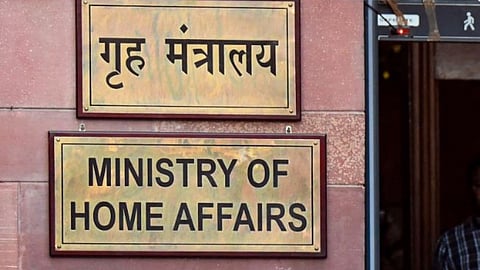

NEW DELHI: The Union Ministry of Home Affairs (MHA) on Wednesday declared the Pakistan-backed Shahzad Bhatti Network (SBN) a terrorist organisation under the Unlawful Activities (Prevention) Act (UAPA), citing its alleged involvement in cross-border smuggling, radicalisation and terrorist activities.
Home Minister Amit Shah announced the decision in a post on X, saying the move was in line with Prime Minister Narendra Modi’s “zero tolerance” policy towards terrorism.
According to Shah, the network is involved in smuggling arms, explosives and narcotics across India’s borders and in recruiting or influencing young people and petty criminals to participate in terrorist activities. He also accused the syndicate of targeting India’s democratic institutions and communal harmony by circulating hateful and provocative digital content.
In its gazette notification, the MHA described the SBN as an organisation seeking to recruit “gullible youth and local criminals” for the smuggling of arms, explosives and narcotics from across the border. The ministry said the network’s activities pose a serious threat to India’s democratic system, communal harmony and internal security.
The notification said several criminal cases have been registered against SBN operatives across the country for alleged involvement in unlawful and terrorist activities. The cases invoke provisions of multiple laws, including those dealing with terrorism, explosives, arms, information technology, official secrets, immigration and foreigners.
The network is allegedly operated by gangster-turned-terrorist Shahzad Bhatti, who intelligence officials say is backed by Pakistan’s Inter-Services Intelligence (ISI). Officials have said Bhatti operates from a third country and frequently changes his location.
The action against the network follows a nationwide crackdown by security agencies. Last month, Shah said agencies had dismantled the network and arrested more than 200 suspects across 14 states.
The MHA further alleged that the SBN seeks to radicalise young people by offering inducements, encouraging them to engage in anti-national activities and mobilising resources in coordination with other banned organisations and designated entities.
The ministry also accused the network of using violent activities to disrupt public order and exploiting digital communication platforms to spread provocative messages. Such activities, it said, constitute a serious challenge to the country’s integrity and internal security.
The designation under the UAPA gives the government a legal framework to impose restrictions on the organisation and take further action against its activities and associated networks.
