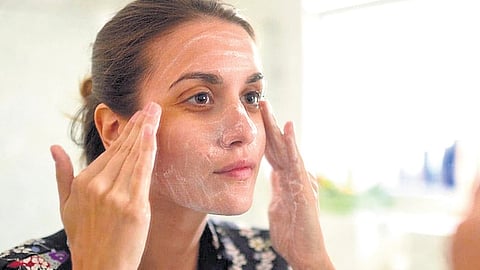


In today's world, where information is easily accessible, self-medication has become increasingly common. People often turn to over-the-counter (OTC) medications or skincare products without consulting healthcare professionals, driven by convenience, cost, and the desire for quick solutions. While this might seem harmless, especially for minor ailments or skincare concerns, it can lead to significant health risks and complications.
Here are a few issues that self-medication can lead to:
1. Misdiagnosis and incorrect treatment: Self-diagnosing skin conditions can be highly inaccurate. What appears to be a minor issue like acne or eczema could be a sign of a more serious condition requiring professional intervention. Using the wrong treatment can worsen the condition or cause new problems.
2. Allergic reactions and sensitivity: Many skincare products contain active ingredients that can cause allergic reactions or sensitisation, especially when used without proper knowledge. Ingredients like retinoids, salicylic acid, and benzoyl peroxide, while effective, need to be used in specific concentrations and under guidance.
3. Interactions with existing medications: Individuals often overlook the potential interactions between OTC skincare products and prescription medications they might be using. For example, combining certain topical treatments with oral medications can lead to adverse effects and also Sensitive Skin Syndrome.
4. Masking symptoms of serious conditions: Some skincare products may temporarily alleviate symptoms without addressing the underlying cause. This can lead to a delay in proper diagnosis and treatment of serious conditions. Skin issues can be indicative of internal health problems, and masking symptoms with OTC products can result in the worsening of these underlying issues.
The complexity of skincare ingredients
Understanding skincare product ingredients is crucial for making informed choices. However, many consumers lack the necessary knowledge to interpret ingredient lists and understand their potential effects.
1. Active Ingredients: Active ingredients are the components responsible for the primary effects of a product, such as acne treatment or anti-aging. Each active ingredient has a specific function, optimal concentration, and potential side effects. For instance, using high concentrations of glycolic acid without acclimating the skin can cause severe irritation and peeling.
2. Inactive ingredients: Ingredients such as preservatives, fragrances, and stabilisers, can also impact skin health. Preservatives like parabens, while effective in preventing bacterial growth, can cause allergic reactions in some individuals.
3. Ingredient interactions: The interaction between different ingredients can enhance or negate their effects. Combining products with clashing ingredients can lead to reduced efficacy or increased irritation. For example, using a retinoid with a benzoyl peroxide product can render both ineffective, while using multiple exfoliating products simultaneously can cause excessive skin barrier disruption.
Consulting a dermatologist before starting any new skincare regimen is essential for several reasons:
1. Accurate Diagnosis: They consider a patient's medical history, lifestyle, and specific skin type, ensuring a personalised approach that OTC products cannot provide.
2. Tailored Treatment Plans: They create a customised treatment plan that addresses the root cause of skin issues, rather than just the symptoms.
3. Monitoring and Adjustments: Skin health can change over time, and what works initially might need adjustments. Dermatologists monitor progress and make necessary changes to the treatment plan, ensuring optimal results and minimising risks.
Anti Skin Allergy Specialist & Consultant Dermatologist at Max Hospital Saket, Delhi