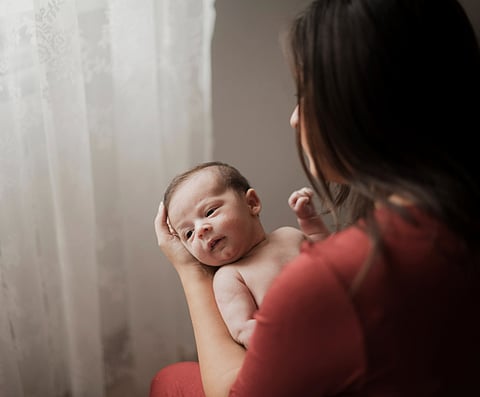

The Birth Defects Awareness Month, which comes calling every January, encourages us to pause, learn, and reflect not just about the challenges endured by children born with birth defects, but also on the enormous potential, resilience, and value that each child contributes to their family and community.
Birth defects are structural or functional problems that exist at birth and can impair a child’s physical development, learning, communication, and overall health. In India, where roughly 25 million infants are born each year, birth abnormalities remain an important but generally under-discussed issue.
Understanding birth defects
According to government statistics, congenital abnormalities are one of the top causes of infant mortality and impairment among children in the country. Congenital heart disease, cleft palate, Down syndrome, and hearing and vision problems affect both urban and rural populations, regardless of socioeconomic status.
Some birth abnormalities are inherited, while others are caused by issues such as nutritional inadequacies, infections during pregnancy, uncontrolled maternal health issues, environmental factors, or a lack of proper antenatal care.
Awareness and prevention
Awareness is vital as numerous birth defects can be prevented, recognised early, or properly managed. Basic actions — sufficient folic acid consumption before and during pregnancy, consistent antenatal checkups, vaccinations against diseases such as rubella, steering clear of alcohol and tobacco, and appropriate management of conditions like diabetes — can greatly diminish the risk.
Initiating rehabilitation services early can enhance results by fostering essential skills during vital developmental stages. Equally crucial, early assistance empowers families with confidence, knowledge, and resources to aid their child at home and within the community.
Early intervention services, including physiotherapy, occupational therapy, speech therapy, psychological assistance, and special education support, can significantly enhance a child’s functional skills and overall quality of life.
In India, access to these services is being enhanced by government efforts like the Rashtriya Bal Swasthya Karyakram (RBSK), early intervention centres, district hospitals, and private and non-governmental rehabilitation services. However, gaps persist, particularly in rural and underserved regions, making awareness and referral even more essential.

Significant issues
Social stigma and insufficient awareness remain significant obstacles. Families with children who have birth defects frequently encounter blame, misunderstanding, or social isolation.
It’s important to understand that birth defects are medical issues and not caused by parental blame or beliefs. Children with congenital conditions can learn, engage in play, build relationships, and make valuable contributions to society when provided with appropriate support.
Inclusion
Awareness is important as it helps decrease stigma. Children with birth defects are characterised by their strengths, personalities, and aspirations, not by their limitations. When communities recognise this, schools turn more inclusive, playgrounds become easier to access, and policies grow more supportive.
Schools, communities, and workplaces have a significant impact on inclusion; accessible infrastructure, inclusive educational policies, and community-based rehabilitation can support children with birth defects in becoming self-assured, independent adults. India’s Persons with Disabilities Act of 2016 has enhanced legal safeguards. However, genuine progress relies on awareness, acceptance, and execution at the grassroots level.
Public and government assistance
Awareness of birth defects goes beyond prevention; it involves compassion, timely care, and equal opportunity by encouraging maternal health, enhancing early screenings, and promoting inclusive mindsets. The government must make sure that every child, no matter their circumstances at birth, has the opportunity to live with dignity, purpose, and hope.