
AHMEDABAD: The ripple effects of the escalating conflict in West Asia have begun hitting the industrial heartland of Morbi in Gujarat, exposing how global conflicts can hit local businesses. Supply disruptions of imported waste paper, surging coal prices and a halt in propane gas supplies are pushing the region’s paper mills and ceramic factories toward a potential shutdown within the next 8 to 10 days, threatening one of India’s most critical industrial clusters.
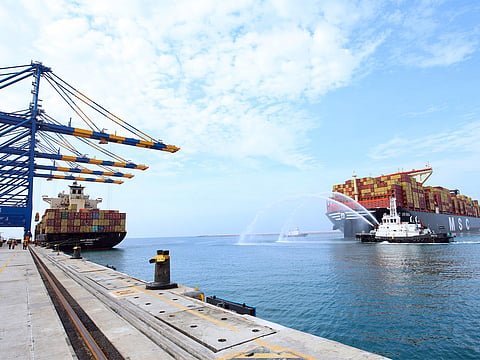
Paper mills in Morbi largely depend on imported waste paper as their primary raw material, but shipments that usually arrive through ports have abruptly stopped because of disruptions in international maritime routes triggered by the war.
This sudden choke in supply has triggered a dramatic price shock. Containers of waste paper that earlier cost $3,600 are now commanding nearly $5,600, sharply escalating production costs and squeezing already fragile margins.
Industry leaders warn that the crisis is fast approaching a tipping point.
Shailesh Patel, President of the Morbi Paper Mill Association, said the industry is now staring at a severe operational crisis. “With the disruption in imported waste paper supply and rising fuel costs, the situation is becoming extremely difficult for paper mills to sustain operations,” he said.
Morbi and its surrounding region currently host 75 paper mills, but only 54 are operational at present. If raw material supply does not resume soon, industry representatives say many of these functioning units may be forced to halt production soon.
The second pressure point is fuel. Paper manufacturing in Morbi relies heavily on coal-fired boilers. But disruptions in shipping routes have now triggered a sharp surge in coal prices.
Paper mill owner Baldev Patel said, “Coal that was available earlier at ₹5,500 to ₹7,000 per tonne has now risen to around ₹6,500 to ₹8,000. If the situation worsens and coal supply is disrupted further, prices could increase sharply. In case coal becomes unavailable, the boilers will have to be shut down, and even if waste paper is available, the mills will have no option but to stop production.”
This dual shock of raw material scarcity and fuel inflation has pushed the paper industry into a precarious position.
The crisis does not stop there. It is now cascading into Morbi’s much larger ceramic manufacturing ecosystem, widely regarded as the ceramic hub of Gujarat.
The region hosts nearly 600 ceramic units, most of which rely on propane gas and natural gas as fuel for their kilns.
However, the same geopolitical tensions have disrupted propane supply chains. According to industry sources, agencies supplying propane gas stopped accepting new orders two days ago, while the filling of propane gas tankers at Kandla Port has also halted.
Local industrialist Bharat Bhai warned that the crisis could soon escalate into a full-scale industrial shutdown. “If this situation continues, these industries may completely shut down within the next eight to ten days,” he claimed.
The implications extend far beyond the primary industries themselves. Morbi’s paper mills supply packaging materials to ceramic manufacturers, while dozens of ancillary units from transporters to packaging units and small engineering workshops depend on the ceramic sector for business.
With supply chains fractured, fuel costs rising and gas supply stalled, Morbi’s industrial ecosystem is now confronting a crisis.
If the disruption continues, the shutdown of ceramic factories could trigger a cascading collapse across small and medium industries linked to the cluster. Industrialists warn that the consequences could be severe not just for factories, but for the broader economy of Morbi, a city whose prosperity is built on its tightly interconnected manufacturing networks.
The ongoing war is also casting a shadow over the export-driven economy of Surat in Gujarat, threatening its key textile, diamond and jewellery industries. Exporters warn that prolonged disruptions could trigger serious payment defaults, especially as nearly 35 percent of India’s jewellery exports go to the United States, where traders now fear a sharp fall in orders despite the newly introduced zero percent tariff.
