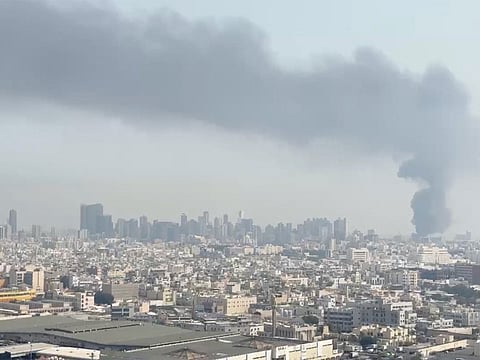

The ongoing conflict between Iran and US-Israel could impact the global smartphone industry, mainly due to risks to air cargo routes and logistics networks.
According to Counterpoint Research, the majority of smartphones shipped worldwide are transported by air. If the crisis in the Middle East persists, it could disrupt major freight routes, increase operating costs and complicate inventory planning for smartphone manufacturers.
The report notes that although air transport is more expensive than sea freight, companies prefer it because smartphones are high-value products with a short market lifecycle. Faster shipping helps prevent inventory shortages and avoids value depreciation, particularly during new model launches.
Key airport routes
Smartphone manufacturers rely on interconnected global flight routes to supply key markets across the Gulf region, Europe, Africa and the Americas. Within this network, the Gulf region serves as a critical hub.
As per the Counterpoint Research, airports such as Dubai International Airport in the United Arab Emirates and Hamad International Airport in Qatar function as major cargo transit hubs. These facilities enable shipments to be consolidated and redistributed before continuing to Europe, Africa and the US East Coast.
Amid the ongoing crisis, companies may need to reroute shipments. Cargo bound for Europe could shift to Central Asian hubs such as Tashkent, while westbound shipments to the US East Coast may move via East Asia and North America. For African markets, alternative hubs such as Addis Ababa or airports in Egypt could be used. However, these adjustments may reduce efficiency and raise logistics costs.
Strait of Hormuz concerns
Another major concern is the Strait of Hormuz, one of the world’s most critical oil shipping routes. Iran has announced the closure of the strait, which carries about 20% of global oil supply, according to the US Energy Information Administration. The announcement has already triggered a roughly 6% increase in oil prices.
Higher oil prices are likely to push up aviation fuel costs, making air cargo operations more expensive. A Boeing 777F cargo aircraft typically burns around 7-8 tonnes of fuel per hour during flight. If rerouting adds two to three hours to a flight, airlines could incur roughly $25,000 or more in additional fuel costs per trip.
Longer routes, higher costs
Extended routes can also increase labour costs. Flights lasting more than 12-14 hours may require additional pilots due to crew-rest regulations, adding further operational expenses. As per the Counterpoint Research, the conflict could also affect the refurbished smartphone market. While new smartphones are mainly transported by air, spare parts used in refurbishment are largely shipped by sea. Any disruption near Jebel Ali Port in Dubai—a key regional hub for spare-parts shipments—could create supply chain challenges for refurbishment companies.
Overall, these developments could further strain the smartphone supply chain, which is already facing elevated memory chip costs. If logistics expenses continue to rise, smartphone makers may face tighter profit margins and could eventually adjust pricing, inventory strategies and supply planning across global markets.