
High blood pressure often creeps in without warning, but with simple checks and timely care, it can be managed before it causes harm. Dr Harikrishnan S, head of cardiology at SCTIMST, talks to Unnikrishnan S on why early detection, affordable treatment, and lifestyle awareness are vital to tackling this growing public health challenge. Edited excerpts:
How important is screening?
Screening is the most important aspect because hypertension often has no symptoms — only about 20% show signs. In developed countries, BP checks are even offered in places like hair salons to catch cases early. In India, periodic checks in offices, schools, and malls should be encouraged. Above age 30, regular screening is essential. Opportunity screening creates awareness and helps detect cases early.
What are the risks of uncontrolled hypertension?
Hypertension can lead to catastrophic complications. Accelerated hypertension is a severe form of high blood pressure that can damage all major organs. It may lead to complications such as kidney failure, heart problems, and brain damage if not treated promptly. In Kerala, kidney failure is very high, largely due to uncontrolled diabetes and hypertension.
Is affordability an issue in adhering to treatment?
Affordable treatment is now available — Jan Aushadhi supplies combination drugs at about ₹100 per month. In public health institutions generic medicines are free. With proper screening, treatment, and followup, outcomes can improve significantly. Government plans involving fieldlevel workers could bring 50% of patients under control.
What are the classifications of severe hypertension?
Severe hypertension is classified into two. Hypertensive urgency is when blood pressure rises above 180/120 mmHg without evidence of organ damage and is relatively uncommon, and hypertensive emergency is when blood pressure exceeds 180/120 mmHg with associated organ damage that can affect major organs and may lead to complications such as kidney failure.
How is pregnancy induced hypertension managed?
In pregnancy, we cannot use drugs that risk foetal toxicity, as they may affect kidney function. Only a limited number of medicines are safe, and there is a clear protocol. About 99% of cases are controlled this way. It is very common and usually managed by gynaecologists; referrals to cardiology are rare.
How effective are digital BP monitors at home?
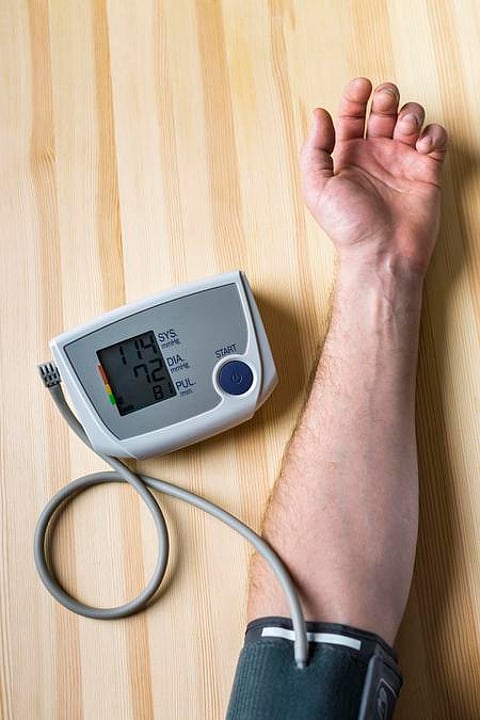
They are very useful and accurate. Differences compared to mercury apparatus are minimal — 1 or 2 mmHg, which is negligible from a public health perspective. In fact, mercury machines can be harder to use in some patients, making digital devices a practical choice for home monitoring.
